Potions
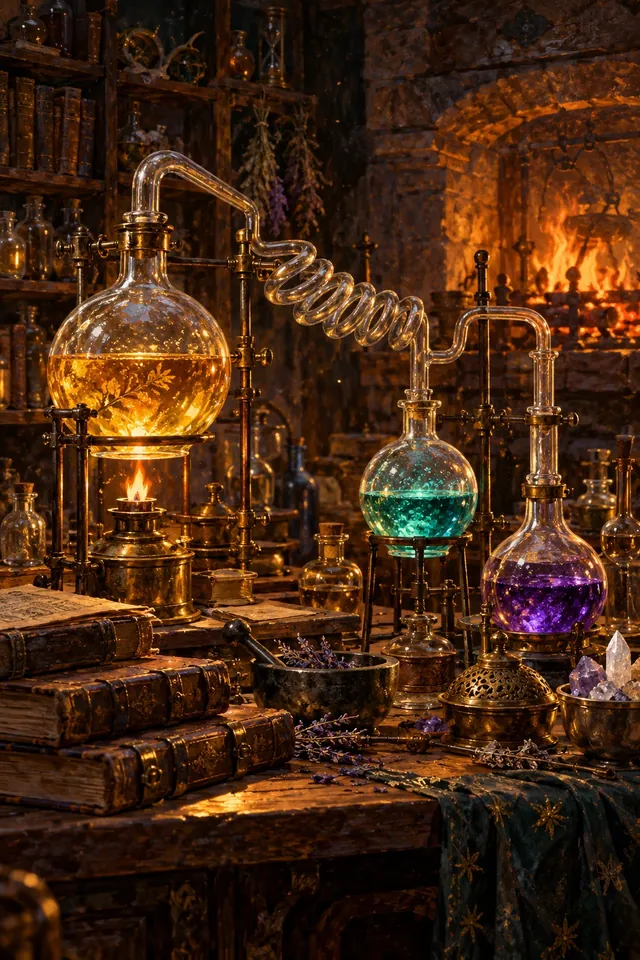
The art of brewing magical concoctions with precise ingredient combinations. Snape's domain for years — and later Slughorn's. Hermione excelled; Neville was terrified. Harry discovered unexpected talent using Snape's annotated textbook.
The curriculum of Hogwarts School
Twelve subjects, core and elective, and a handful of memorable teachers. This is what is studied at Hogwarts and why each class matters in the story.
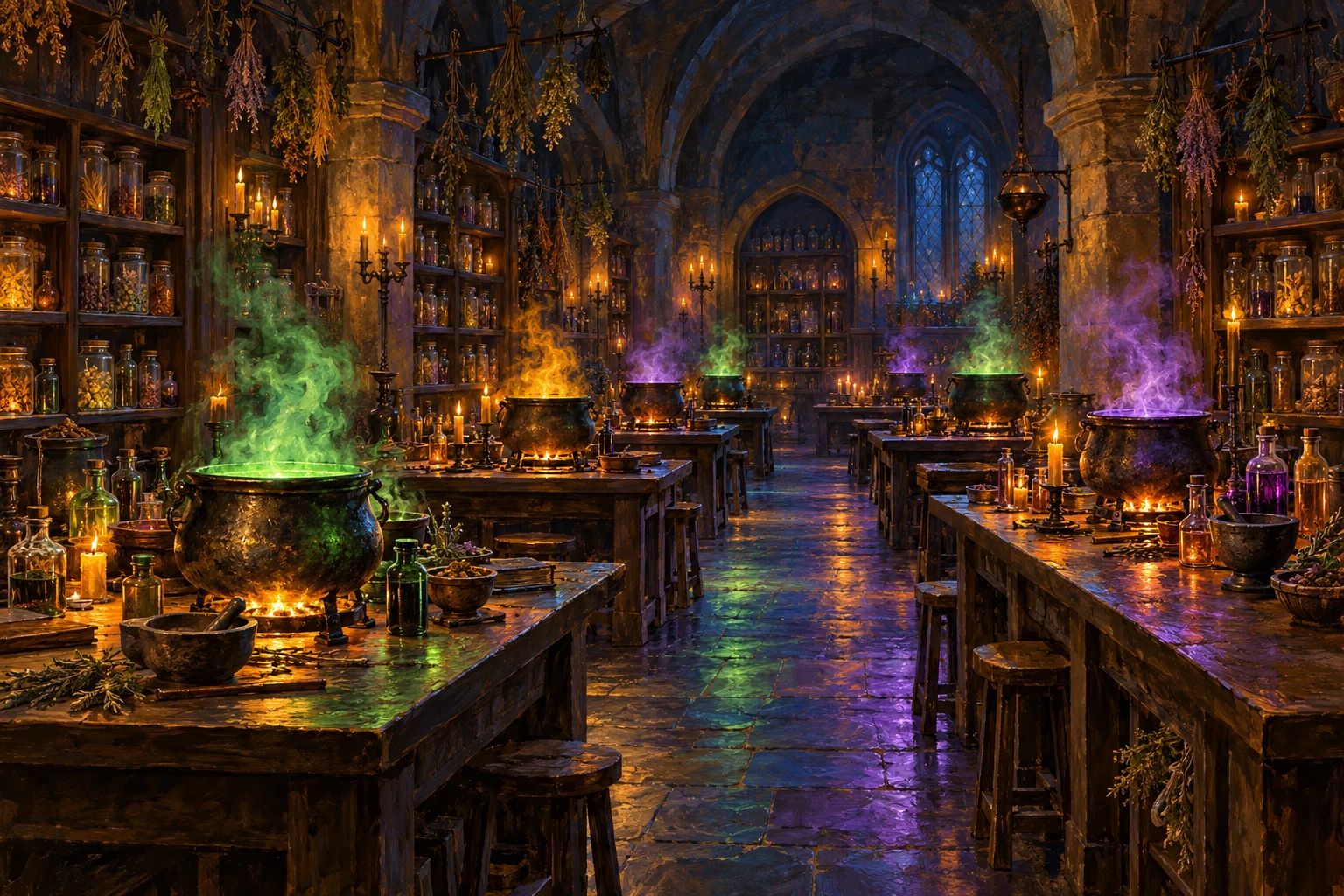
The art of brewing magical concoctions with precise ingredient combinations. Snape's domain for years — and later Slughorn's. Hermione excelled; Neville was terrified. Harry discovered unexpected talent using Snape's annotated textbook.
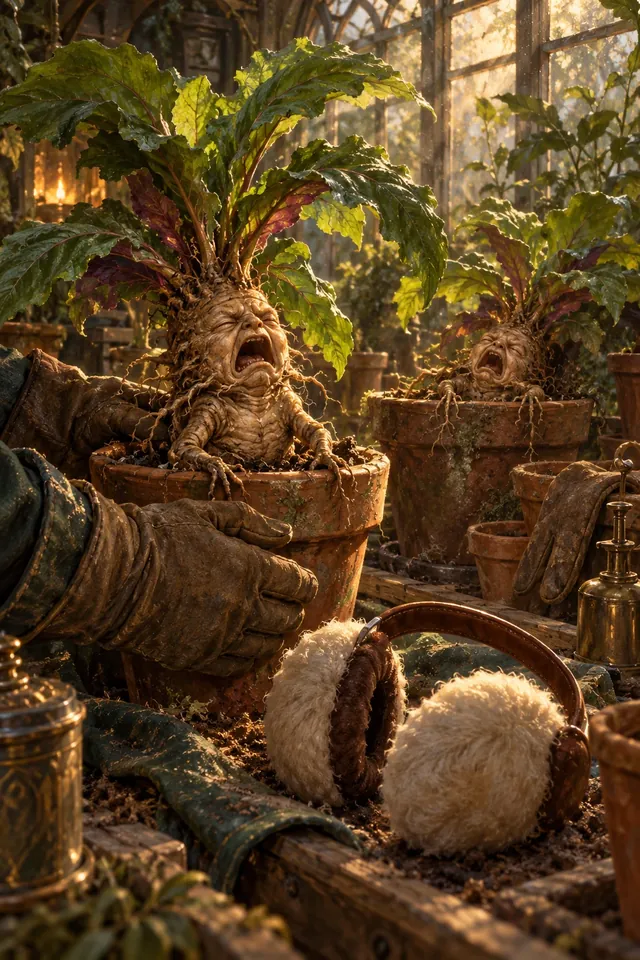
The study of magical plants and fungi. Professor Sprout's greenhouse contains Devil's Snare, Mandrakes (whose cry kills), Whomping Willow cuttings, and countless others. Neville Longbottom found his true calling here.
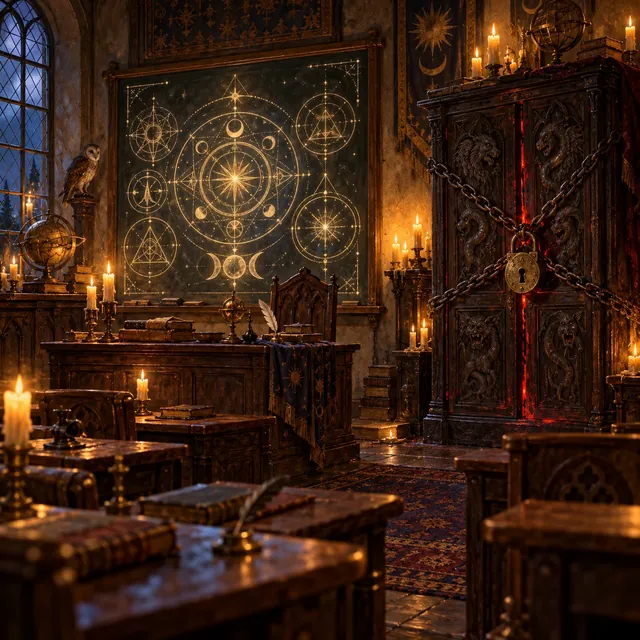
Notoriously difficult to staff — Voldemort cursed the position after being refused the job. Quirrell, Lockhart, Lupin, Moody (Crouch), Umbridge, Snape, and Amycus Carrow each taught it. Lupin was by far the finest.

Transforming objects and beings from one form to another — considered the most complex and dangerous magic taught at Hogwarts. McGonagall's discipline. Animagus transformation is an extreme branch of Transfiguration.
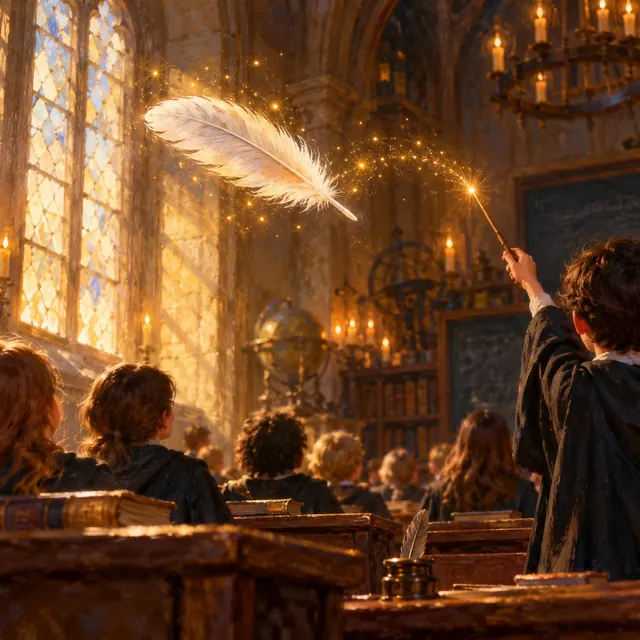
Spells that add properties to an object or creature. Professor Flitwick's class. Most everyday spells — Lumos, Alohomora, Expelliarmus — fall under Charms. The Patronus Charm is the most advanced Charms spell taught at Hogwarts.
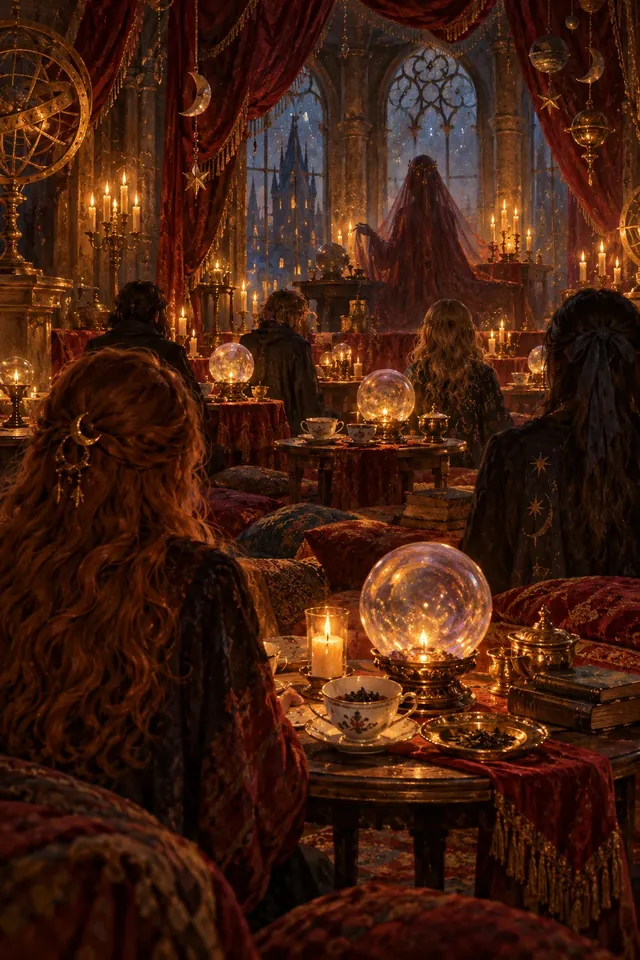
The prediction of the future using crystal balls, tea leaves, star charts, and dream interpretation. Considered by Hermione to be 'the most useless class she had ever taken.' Professor Trelawney made two true prophecies — both by accident.
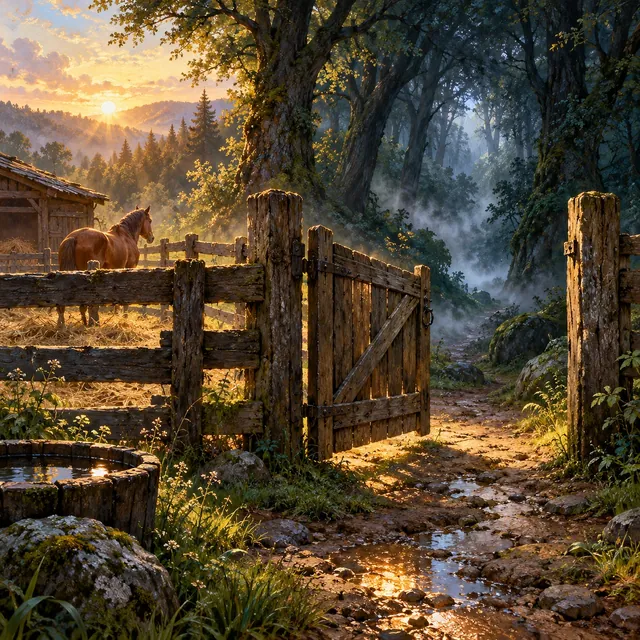
Study of the creatures of the magical world under Hagrid's enthusiastic and occasionally dangerous instruction. Year Three students were introduced to Hippogriffs on Day One, resulting in Draco's infamous injury.
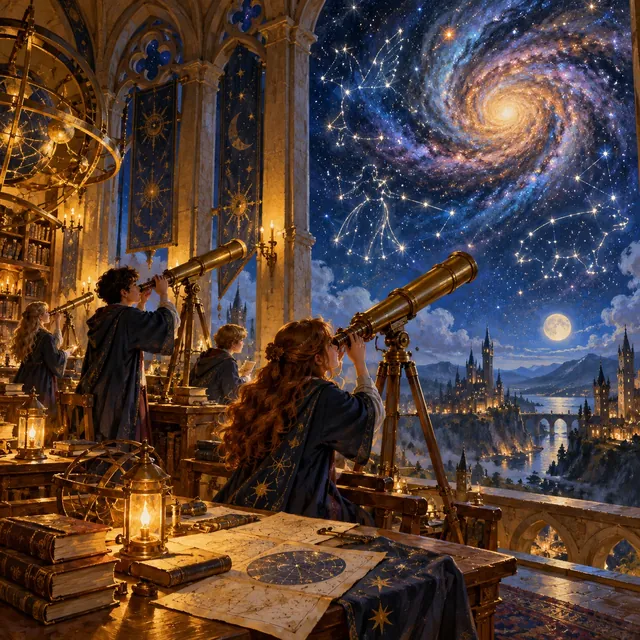
Weekly midnight tower observations with Professor Sinistra. Used to track celestial movements and their effects on magic. The night the Ministry attacked Hagrid and McGonagall is one of the series' most quietly devastating scenes.
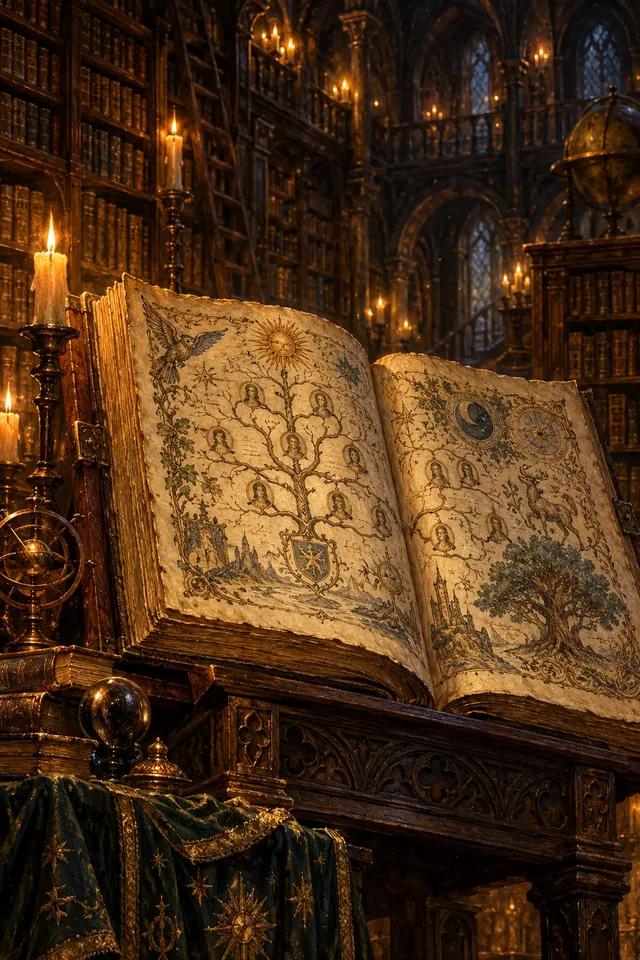
The only class taught by a ghost — Professor Binns, who apparently never noticed he had died. Notoriously boring. Hermione memorized everything. Most students napped. The subject occasionally proved vital: knowledge of the Chamber of Secrets.
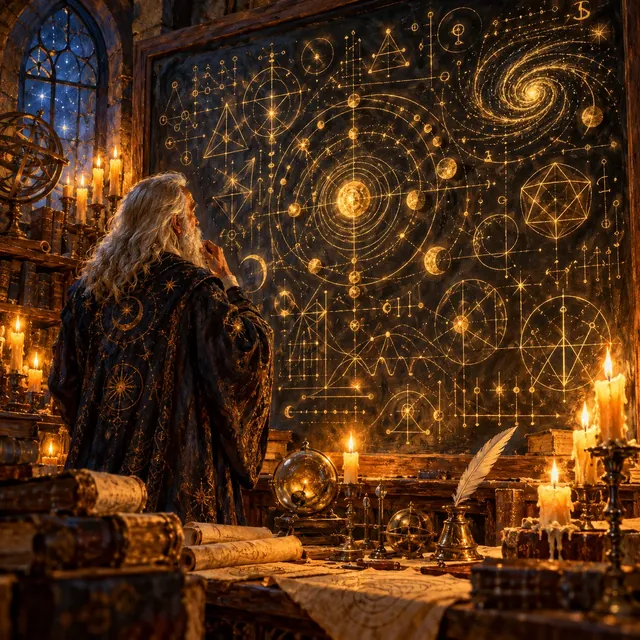
The magical study of numbers and their properties. One of Hermione's elective favorites, requiring the Time Turner to attend in Year Three. Considered the most intellectually demanding elective at Hogwarts.
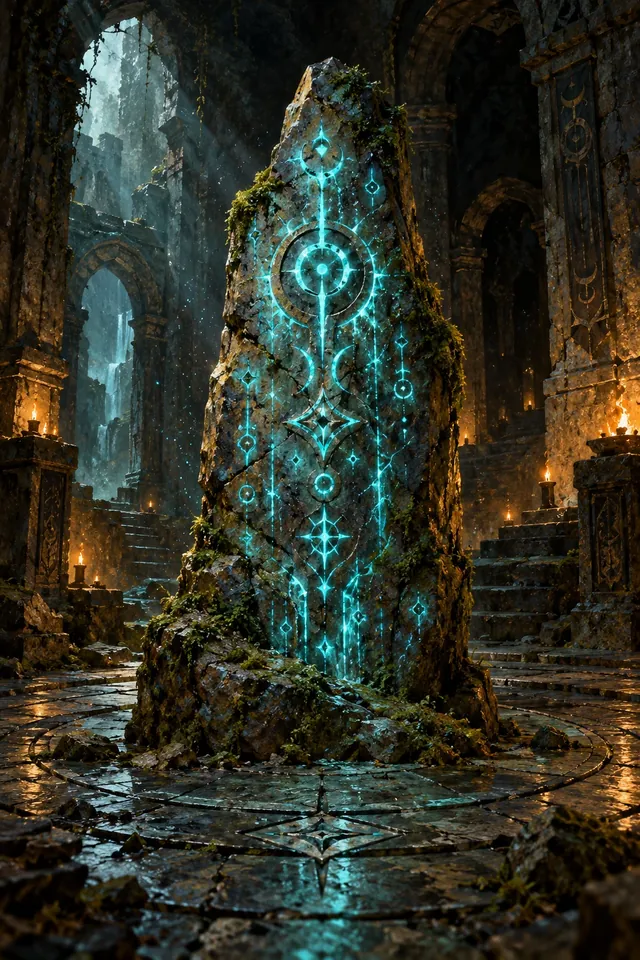
The study and translation of ancient magical scripts. Another of Hermione's electives. Knowledge of runes proved crucial during the Horcrux hunt — the symbol of the Deathly Hallows and Dumbledore's notes in the Tales of Beedle the Bard.
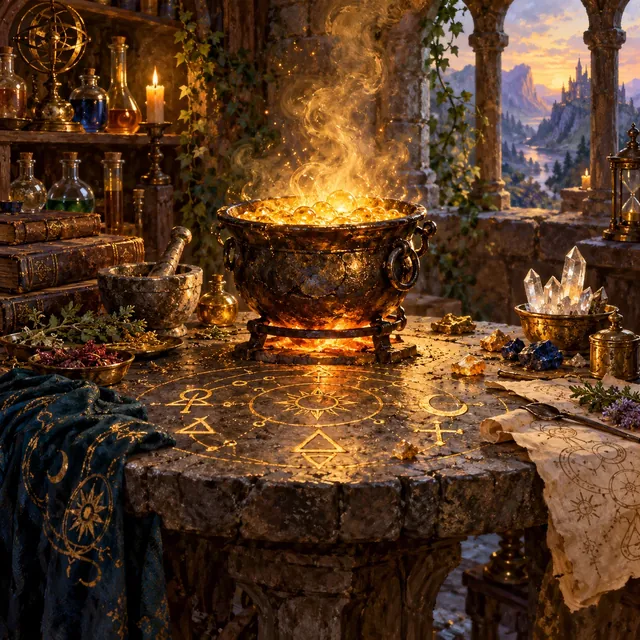
The ancient science of transforming matter and pursuing the Philosopher's Stone. Offered only when there is sufficient demand — typically at NEWT level. Nicolas Flamel was the world's greatest alchemist, creating the only known Philosopher's Stone.
Content created with AI assistance, reviewed and edited by our editorial team.