The houses
Slytherin House: Why It Isn't the House of the Villains
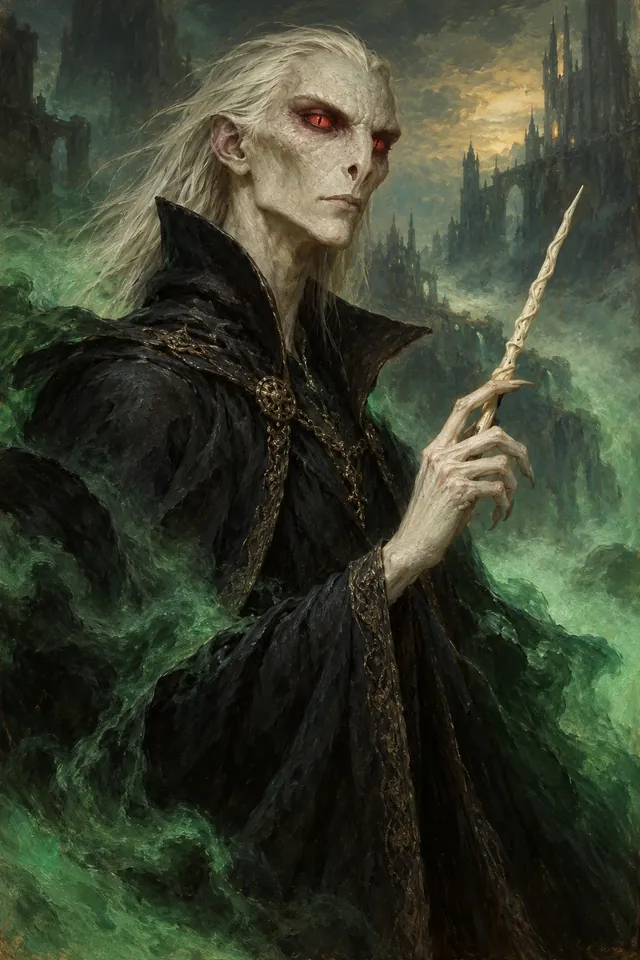
Voldemort came out of Slytherin. Nobody argues with that. But the same house produced the spy who brought him down, the boy who died in a cave for betraying him, the mother who lied to his face, and the man whose name Harry gave to his son.
A house that produces the villain and several of the people who beat him deserves more than "there go the bad guys."
Where the Bad Reputation Comes From
The books don't hide why Slytherin carries that label. In Philosopher's Stone (Sorcerer's Stone in the US), ch. 5, Hagrid tells Harry there wasn't a single dark wizard who didn't come through Slytherin. That's Hagrid talking, with all his affection and all his prejudice, but the idea sticks.
And there's a more serious reason. In Chamber of Secrets (ch. 9), Professor Binns tells the story of the founders: Salazar Slytherin only wanted to admit students from wizarding families. When the other three refused, he left the castle.
That is the house's real original sin: an ideology. Not ambition. Ambition, cunning and the drive to get far, which is what the Sorting Hat sings about, are neither good nor bad in themselves. It depends on what you use them for.
The Slytherins Who Break the Mold
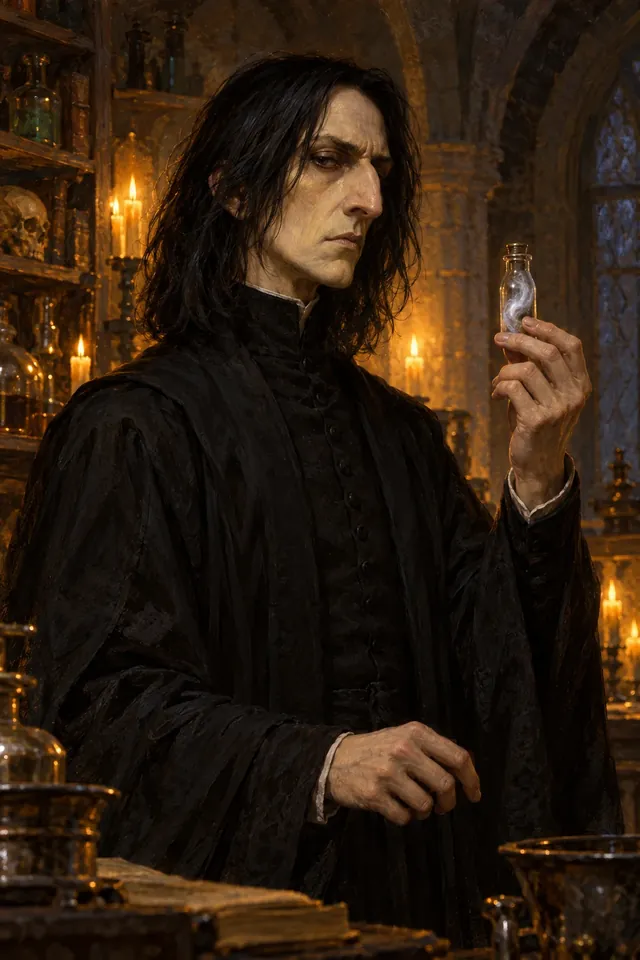
Severus Snape. A double agent for years, he protected Harry without Harry knowing and died handing over the information Harry needed to win. His full story is in Severus Snape: Hero or Villain? What the Books Say.
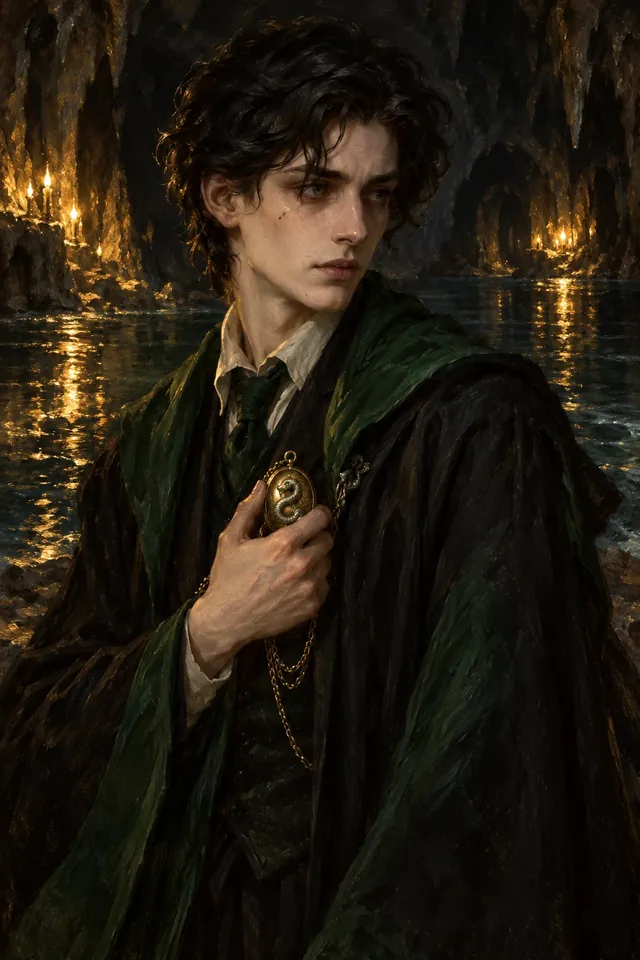
Regulus Black. Sirius's brother, the obedient son, the one who became a Death Eater very young. When he realized what Voldemort was doing, he went alone to a cave, stole a Horcrux and died there with nobody knowing (Deathly Hallows, ch. 10). We tell that story in Regulus Black and Slytherin's Locket: The Forgotten Hero.
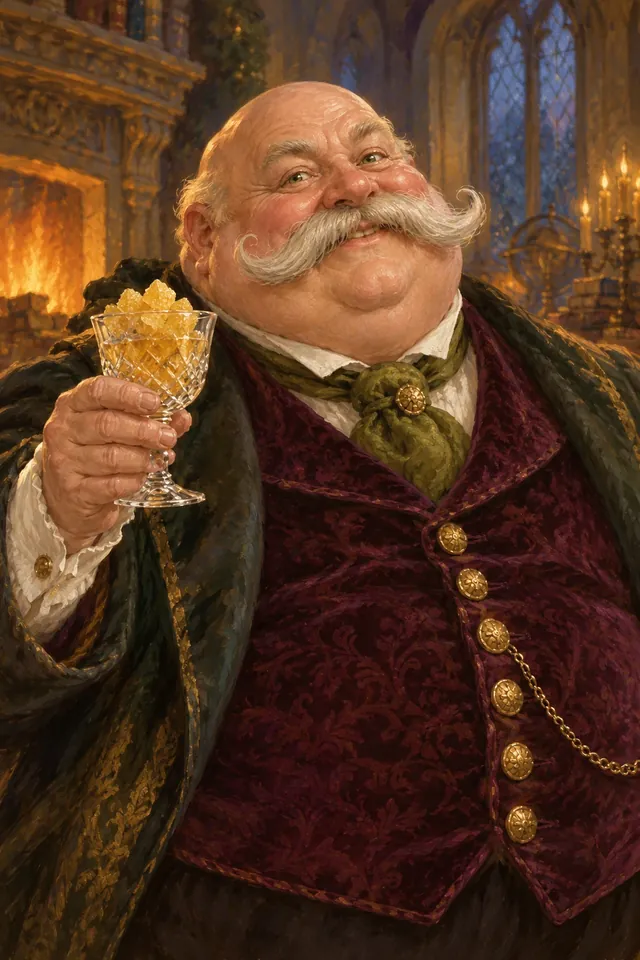
Horace Slughorn. Not a hero. He's a man who collects famous students and runs the moment there's danger. But in the final battle he comes back to Hogwarts with reinforcements from the village to fight (Deathly Hallows, ch. 36). Late, and scared. But he comes back.
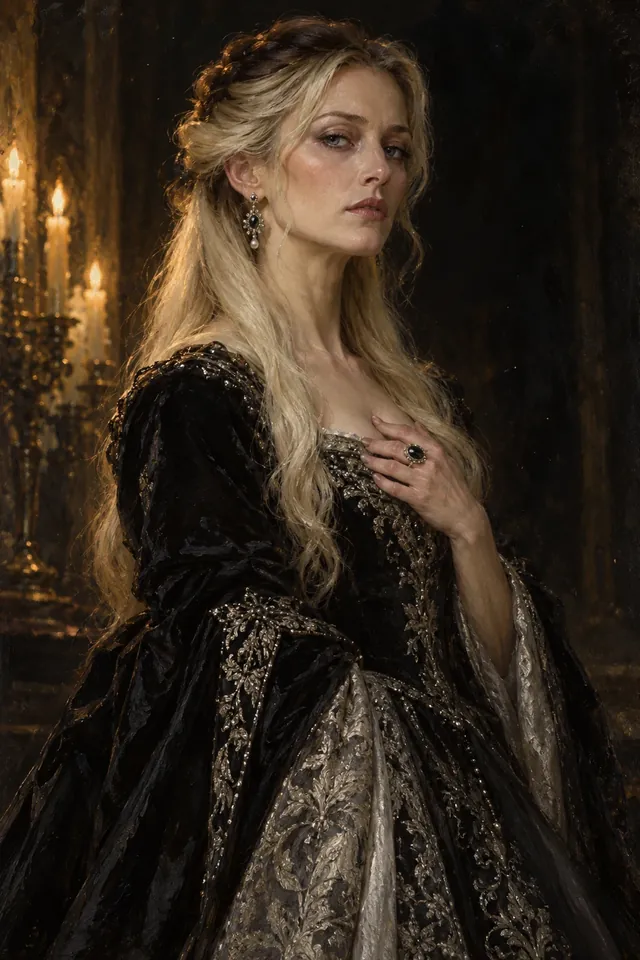
Narcissa Malfoy. Voldemort sends her to check whether Harry is dead (ch. 36). She leans over him, feels his heart beating, and asks him in the faintest whisper just one thing: is Draco alive? Harry says yes. Narcissa stands up and announces that Harry is dead. She lies to Voldemort, in front of everyone, for her son.
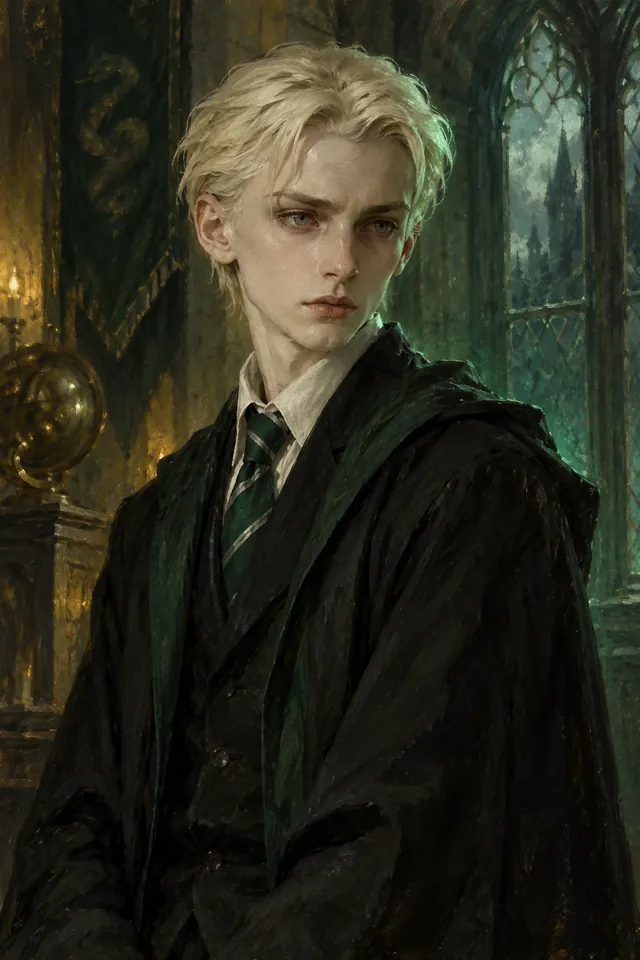
Draco Malfoy. At Malfoy Manor (ch. 23), when the Death Eaters ask him to identify the prisoner with the swollen face, Draco doesn't confirm it. He knows it's Harry. It isn't a full redemption, but it isn't what a villain would do either.
The Same Tool, Another Use
Voldemort took Slytherin's ambition and turned it into an obsession with pure blood and with never dying. Snape, Regulus and Narcissa used the same skills, patience, discretion, the ability to lie without it showing, to protect someone.
That's what the saga tells you about Slytherin: the talent is the same. Each person decides where it goes.
Harry and the Hat
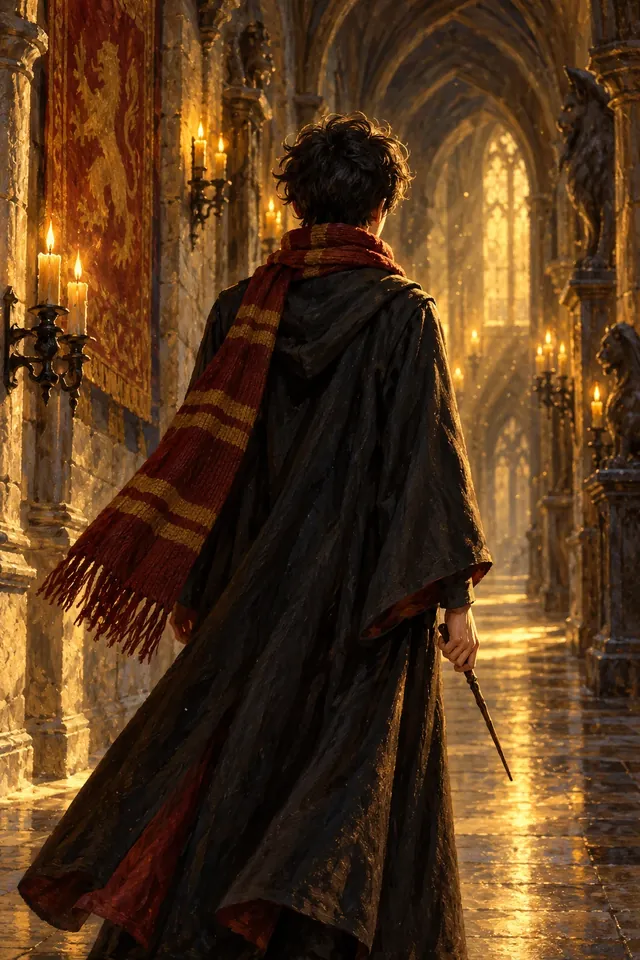
This is the fact that bothers people most when they swear Slytherin is "the dark side." In Philosopher's Stone (ch. 7), the Sorting Hat tells Harry he could be great in Slytherin. Harry begs it not to. In Chamber of Secrets (ch. 18), Dumbledore confirms that the Hat saw Slytherin qualities in him, and explains why he ended up in Gryffindor: because he asked for it. It is our choices that show who we are.
Nineteen years later, in the epilogue, Harry tells his son Albus Severus where his name comes from. One of the headmasters he was named after was a Slytherin, and probably the bravest man Harry ever knew.
Book vs. Movie
- Regulus in the movies is barely a name on a locket. The book gives him an entire chapter.
- Narcissa does get her moment in the movie, and it's one of the best-acted scenes in the last installment.
- The Marauders aren't there. Without Snape's full worst memory and without the Whomping Willow prank, the Gryffindors look cleaner on screen and the Slytherins look more villainous than they are in the book.
What Almost Nobody Notices
- Family doesn't decide the house. In Order of the Phoenix (ch. 6), Sirius tells Harry that every Black was in Slytherin except him. And his brother, the Slytherin, also ended up against Voldemort.
- The Hat doesn't read evil. What it sees in Slytherin, ambition or the urge to prove something, exists just as much in generous people as in cruel ones.
- A whole house paid for one student. In the battle (Deathly Hallows, ch. 31), Pansy Parkinson shouts that they should hand Harry over. McGonagall sends the Slytherins out of the castle, all of them. Most were never even asked.
What Does It Mean to Get Slytherin?
That you're hungry for something. That you think in strategy, you know what you want and you aren't embarrassed to say it. It isn't a sentence. It's a toolbox, and the question is what you'll build with it. Is it your house? Find out with the house quiz.
The previous part of the series is Gryffindor House Explained: What Nobody Tells You. The next one is Ravenclaw House: Helena's Wound and Luna's Freedom.
Frequently Asked Questions
Were all Death Eaters in Slytherin?
No. Peter Pettigrew was a Gryffindor. Many famous Death Eaters were Slytherins, but not all of them.
Is Slytherin only for pure-blood wizards?
That was its founder's idea, not the reality of the house. Snape was a half-blood, and so was Voldemort himself.
What are Slytherin's qualities?
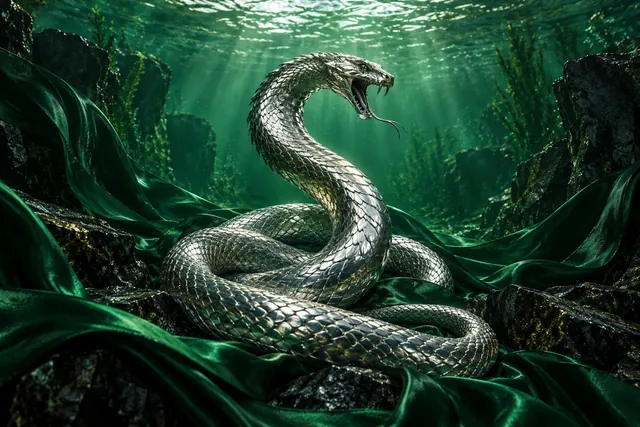
Ambition, cunning and determination. Its colors are green and silver, its animal is the serpent and its ghost is the Bloody Baron.
This article has a video version on our TikTok.
Content created with AI assistance, reviewed and edited by our editorial team.
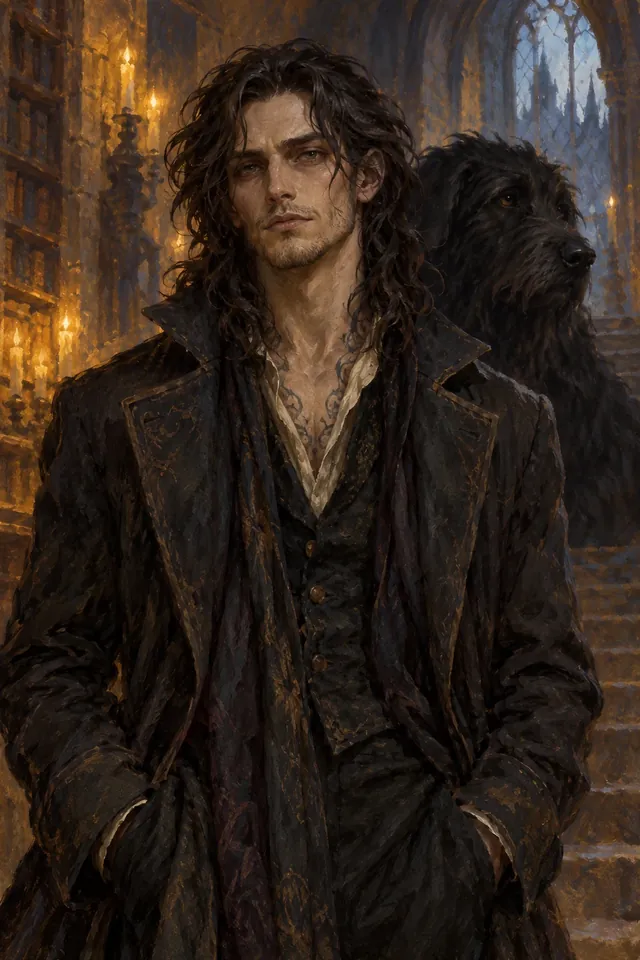
Characters in this article
More articles
Gryffindor House Explained: What Nobody Tells You
Gryffindor isn't the house of the good guys, it's the house of impulse. Pettigrew, Sirius, James and Neville show what courage really means in the books.
Hufflepuff House: The Most Underrated House at Hogwarts
Everyone jokes about Hufflepuff until they check the history. Helga, Cedric, Tonks, and why the house of "leftovers" is the hardest one to corrupt.

Ravenclaw House: Helena's Wound and Luna's Freedom
Ravenclaw isn't the house of good grades. Helena and the stolen diadem, Luna Lovegood, and what being a Ravenclaw really means in Harry Potter.